

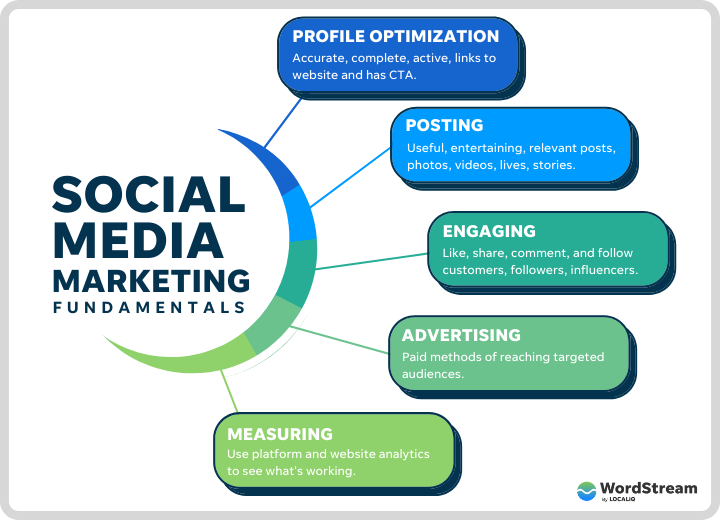
Social media marketing is the use of social media platforms to promote products, services, or brands and engage with audiences to achieve marketing goals, such as brand awareness and increased sales.
Social media marketing (SMM) refers to the use of various social media platforms and websites to promote products, services, or brands. It involves creating and sharing content on social media networks to achieve marketing and branding goals. The primary aim of social media marketing is to engage with the target audience, build brand awareness, drive website traffic, and ultimately increase sales and conversions.
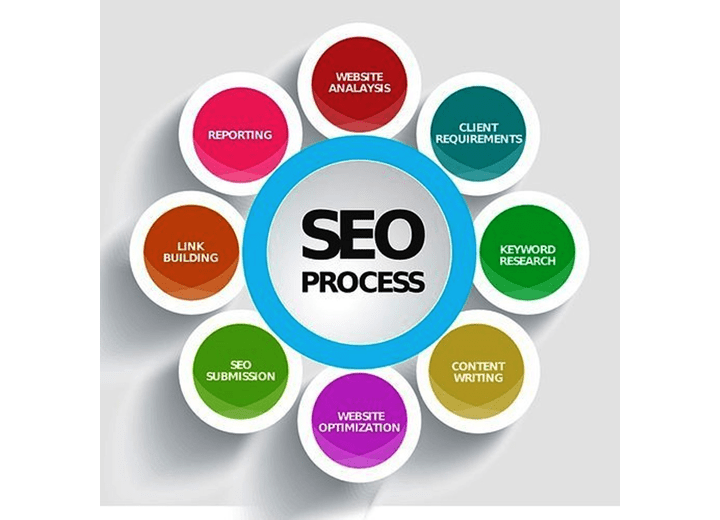
Search Engine Optimization (SEO) is the process of improving a website's visibility in search engine results, with the goal of increasing organic (non-paid) traffic to the site. t involves optimizing various aspects of the website.
Search Engine Optimization (SEO) is a digital marketing strategy aimed at enhancing a website's online visibility and attracting more organic traffic from search engines like Google, Bing, and Yahoo. SEO involves optimizing various on-page and off-page elements, such as content quality, keyword relevance, website structure, and backlinks. By improving these aspects, websites can achieve higher search engine rankings, leading to increased user engagement and potential business growth.
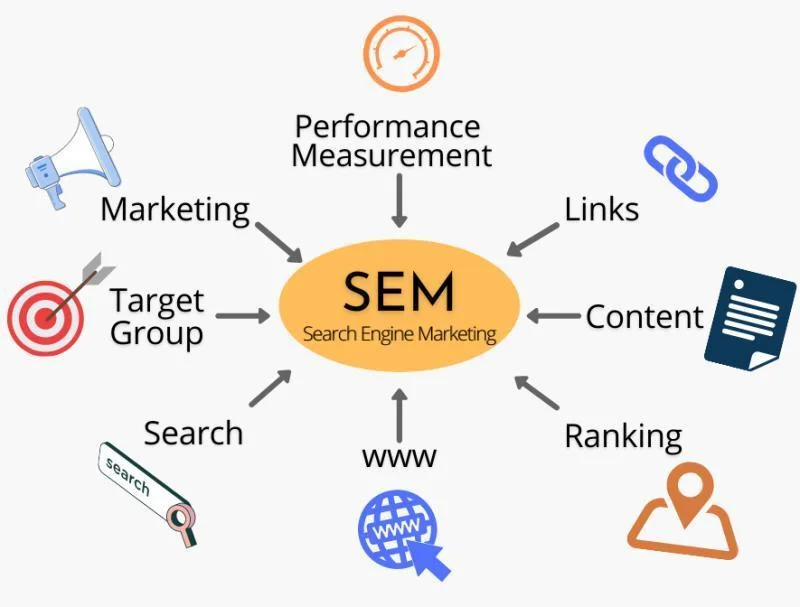
Search Engine Marketing (SEM) is a digital marketing approach that involves promoting a website or online content through paid advertising on search engines. It typically includes pay-per-click (PPC) campaigns and strategies to increase a website's visibility.
Search Engine Marketing (SEM) is a dynamic online marketing strategy that leverages paid advertising to enhance a website's visibility in search engine results. Through methods like pay-per-click (PPC) advertising, businesses can bid on keywords relevant to their products or services, ensuring their ads appear prominently when users search for related terms. SEM offers a powerful means to reach a targeted audience, increase website traffic, and achieve specific marketing objectives, making it an integral component of digital marketing campaigns.

Blogging is the practice of regularly creating and publishing content on a website, typically in the form of articles or posts, to inform, entertain, or engage an online audience. It's a platform for individuals, businesses, and organizations to share insights, information, or stories with readers, often with the goal of building an online presence or community.
Blogging is a versatile and widely used digital platform where individuals, businesses, and organizations can share their thoughts, expertise, and experiences with a global audience. Through regular posting of articles or posts on their websites, bloggers engage with readers on various topics, from personal interests to professional insights. Blogging not only fosters connections but also serves as a powerful tool for branding, content marketing, and building online communities, making it a fundamental aspect of today's digital landscape.
Google Analytics is a web analytics service provided by Google that tracks and reports website traffic, user behavior, and other important metrics. It helps website owners and marketers understand their audience, measure the effectiveness of their online efforts, and make data-driven decisions to improve their online presence. This data empowers businesses and individuals to refine their digital strategies, optimize user experiences, and make informed decisions to enhance their online presence and achieve their goals effectively.
Google Analytics is a comprehensive web analytics tool offered by Google, enabling website owners to gain valuable insights into their online performance. By tracking user interactions, traffic sources, and conversion rates, it provides a clear picture of how visitors engage with a website. Whether it's monitoring e-commerce sales, evaluating marketing campaigns, or understanding user demographics, Google Analytics serves as an invaluable resource for improving online success.

Email marketing is a versatile and powerful digital marketing approach that allows businesses and organizations to communicate directly with their audience through email. It involves sending carefully crafted messages, promotions, updates, or newsletters to subscribers, nurturing customer relationships, and driving conversions. Email marketing's effectiveness lies in its ability to deliver personalized content, track performance metrics, and reach a wide range of recipients, making it an essential tool for building brand loyalty and driving revenue in the digital age.
Email marketing is a digital marketing strategy that involves sending emails to a group of recipients, typically with the goal of promoting products or services, building relationships with customers, or sharing valuable content. It's a direct and cost-effective way for businesses and organizations to communicate with their target audience. Email marketing campaigns can include various types of emails, such as promotional offers, newsletters, product updates, event invitations, and more. Marketers often use email marketing software to manage their email lists, create visually appealing emails, and track metrics like open rates, click-through rates, and conversion rates.
Google AdWords, now known as Google Ads, is an online advertising platform developed by Google that allows businesses to create and display ads on Google's search engine results pages and across its vast network of partner websites. Advertisers bid on keywords and pay for clicks or impressions to drive targeted traffic to their websites.
Google Ads, formerly known as Google AdWords, is a powerful digital advertising platform offered by Google. It enables businesses to create and display ads on Google's search engine results pages and partner websites, targeting specific keywords and demographics to reach their ideal audience. Advertisers pay for clicks or impressions, making it a cost-effective way to boost website traffic, generate leads, and increase brand visibility in the highly competitive online landscape. With robust tools for ad creation, audience targeting, and performance analysis, Google Ads empowers businesses to fine-tune their advertising campaigns and achieve their marketing goals efficiently.
Facebook Ads is an advertising platform provided by Facebook that allows businesses and individuals to create and display targeted ads on the Facebook platform and its affiliated apps, reaching a wide and specific audience based on demographics, interests, and behaviors. Advertisers can choose various ad formats and objectives to achieve their marketing goals, from brand awareness to driving website conversions.Facebook Ads is a versatile and highly effective digital advertising platform offered by Facebook.
Facebook Ads is a versatile and highly effective digital advertising platform offered by Facebook. It enables businesses and marketers to craft tailored advertisements and showcase them to a precisely defined audience on Facebook and its affiliated platforms, including Instagram and Messenger. With a wealth of targeting options, ad formats, and budget control, Facebook Ads offers a potent means to increase brand visibility, engage potential customers, and achieve diverse marketing objectives, ranging from brand awareness to lead generation and sales conversions. Its robust analytics tools also allow advertisers to measure the performance of their campaigns, enabling data-driven decisions for optimal results in the ever-evolving digital marketing landscape.

Instagram Ads is an advertising feature on the social media platform Instagram, which is owned by Facebook. It allows businesses and individuals to create and promote ads to reach a specific target audience within the Instagram app, enabling them to increase brand visibility, engagement, and conversions.
Instagram Ads is a powerful advertising platform integrated into the popular social media app Instagram. It enables businesses and marketers to create visually appealing advertisements and target them to a specific audience based on factors like demographics, interests, and behaviors. These ads can appear in users' Instagram feeds, stories, and Explore pages, providing a seamless and visually engaging way to reach potential customers. With a variety of ad formats, including photo ads, video ads, and carousel ads, Instagram Ads offers an effective means to enhance brand awareness, drive website traffic, and achieve marketing goals in the visually-driven world of social media marketing. Its robust analytics tools also allow advertisers to track performance metrics and refine their strategies for optimal results.